Why Your Las Palmas Business Needs a Website
Las Palmas runs on tourism, remote work and word of mouth. A social profile borrows all three. A website is the one place online you actually own.
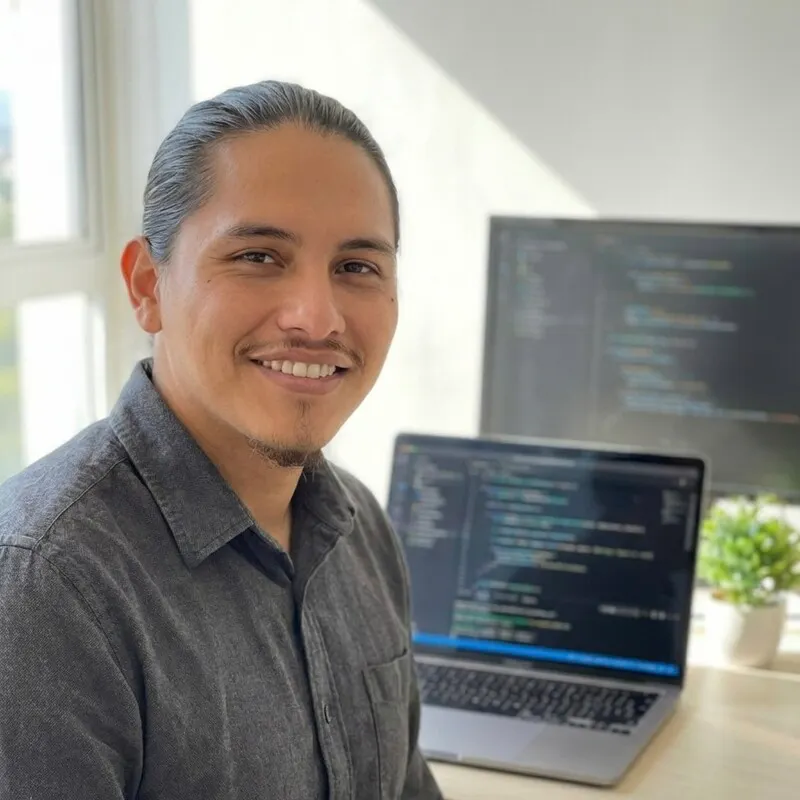
Jean Ayala
Sep 13, 2026
The case for owning your corner of the web
Walk down Calle Triana or along Las Canteras and almost every business has an Instagram account. Far fewer have a website. The reasoning is usually the same: social is free, everyone is already there, and a site feels like a project with no end date.
That reasoning holds right up until it doesn't.
Social platforms rent you an audience
An Instagram profile is a good shop window and a poor foundation. The platform decides who sees your posts, changes that logic without warning, and can suspend an account with nothing you would recognise as an appeal. Every follower you gather is a relationship the platform brokers, and can interrupt.
A website inverts that. Your domain, your content, your analytics, your email list. Nobody throttles your reach on a Tuesday because the algorithm changed.
Las Palmas has three audiences, not one
This city serves residents, tourists, and a growing population of remote workers. Those groups search differently, and in different languages.
- Residents search in Spanish and want practical detail: opening hours, the address, whether you are open on a Sunday.
- Tourists search in English and German, often days before they land, and decide from photographs and reviews.
- Remote workers search for wifi, power sockets and a quiet table, and read in whatever language the page offers them.
A single Instagram bio cannot serve all three. A website with a Spanish and an English version can, and it keeps working while you sleep.
Search is where the intent lives
Someone scrolling Instagram is browsing. Someone typing "fisioterapeuta Las Palmas" into Google has already decided to buy and is only choosing between whoever shows up. If you are not there, that decision gets made without you.
Local search rewards specifics: a real address, consistent business details, and pages that answer the question somebody actually asked. That is work a website can do and a social profile mostly cannot.
Seasonality cuts both ways
Canarian trade runs in waves: high season, low season, and the long shoulder in between. A site lets you shift emphasis without reprinting anything. A winter offer aimed at northern European visitors, a summer one aimed at the people who live here all year.
What a small site actually needs
Not much, and considerably less than most agencies will quote you for.
- One page that says clearly what you do, where you are, and how to reach you.
- That same page in Spanish and in English.
- Photographs of the real place, not stock images of somewhere that is not Las Palmas.
- A phone number and a WhatsApp link that work from a phone, because that is where the visit begins.
- Fast loading on mobile data, which is how most people will see it first.
Everything else, a blog, a booking system, a shop, can wait until the basics are earning their keep.
The part people underestimate
A website is not a brochure you publish once. It is the only channel where you set the rules: what gets said, how it looks, who you email, and what happens next. Social platforms are worth using. They are simply a poor place to keep the only copy of your business.
If you run something here and the whole thing currently lives on somebody else's platform, that is the risk worth fixing first.
Want to talk about your site?
If the above sounded like your business, tell me about it. Fixed quote before anything starts, and websites from €390.